cancer in mauritiusChildhood cancer
Every September, the world observes Childhood Cancer Awareness Month, a time dedicated to raising awareness about cancers affecting children and adolescents, supporting families, recognising survivors and remembering those whose lives have been lost.
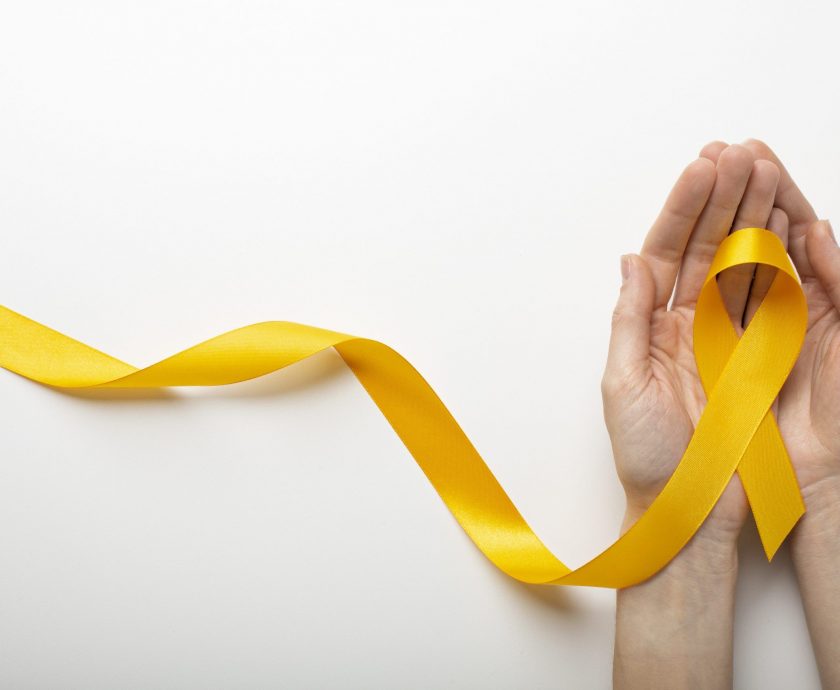
The gold ribbon, internationally recognised as the symbol of childhood cancer awareness, becomes particularly visible throughout the month. But behind that symbol lies an important public-health message: childhood cancer exists, it can affect families anywhere, and recognising unusual or persistent symptoms can help children access medical evaluation and appropriate care sooner.
At Falcon Memorial Cancer Institute (FMCI), Childhood Cancer Awareness Month is an opportunity to contribute to a better-informed community in Mauritius—one where parents, caregivers and families know when a change in a child’s health deserves further attention.
Childhood cancer is rare, but its impact is significant
Cancer in children is considerably less common than cancer in adults. Nevertheless, its impact on a child and their family can be profound.
According to the World Health Organization (WHO), an estimated 400,000 children and adolescents between the ages of 0 and 19 develop cancer each year worldwide. Among the most common childhood cancers are leukaemias, brain tumours and solid tumours such as neuroblastoma and Wilms tumour. Lymphomas, bone cancers and thyroid cancer are more frequently seen during adolescence.
One of the most important facts to understand about childhood cancer is that many childhood cancers can be treated successfully.
However, outcomes remain very unequal around the world.
In high-income countries, where comprehensive diagnostic and treatment services are widely accessible, more than 80% of children with cancer are cured. In many low- and middle-income countries, the proportion is below 30%.
These differences are not simply about the disease itself. Delayed diagnosis, difficulties accessing specialised care, inaccurate diagnosis, treatment interruption and limited access to medicines or technologies can all affect outcomes.
This is one of the reasons awareness matters.
Why early diagnosis of childhood cancer matters
Unlike several adult cancers, childhood cancers generally cannot be prevented through lifestyle changes and routine population screening is usually not effective for detecting childhood cancer.
That makes recognising symptoms and seeking appropriate medical evaluation particularly important.
Early diagnosis does not mean assuming that every unusual symptom is cancer. Many symptoms associated with childhood cancer are also caused by far more common childhood illnesses.
The difference is often in symptoms that are unexplained, persistent, recurrent or worsening.
When concerning changes are recognised and investigated appropriately, a child can be referred for the necessary diagnostic tests sooner. WHO identifies early and accurate diagnosis, followed by access to appropriate treatment, as an important part of improving childhood cancer survival.
What are the warning signs of childhood cancer?
There is no single symptom that identifies childhood cancer, and different cancers can present differently.
Parents and caregivers should therefore focus on changes that appear unusual for the child, particularly when they persist or cannot easily be explained.
Possible warning signs can include:
- Persistent or unexplained fever
- Unexplained weight loss or loss of appetite
- Unusual tiredness, weakness or noticeable paleness
- Excessive or unexplained bruising or bleeding
- Frequent or unusual infections
- Persistent headaches, particularly when associated with vomiting
- Persistent bone, joint, back or limb pain
- An unexplained lump or swelling
- Abdominal swelling
- Sudden or persistent changes in vision or the appearance of the eye, including a white reflection in the pupil
- Persistent nausea or vomiting
- Changes in balance, movement or other neurological symptoms
These symptoms do not automatically mean that a child has cancer. They can occur with many other medical conditions. However, symptoms that persist, worsen, recur repeatedly or cause concern should be discussed with a healthcare professional.
Parents know when something is different
Children get sick. Fevers, tiredness, aches, infections and minor injuries are a normal part of childhood.
That is precisely why childhood cancer symptoms can sometimes be difficult to recognise.
A symptom may initially resemble an ordinary infection or injury. A child may not always be able to clearly explain what they are feeling either.
Parents and caregivers therefore play an important role by noticing patterns.
Has the child become unusually tired for an extended period? Is a pain continuing despite no obvious injury? Is a lump remaining or becoming larger? Are headaches becoming frequent? Has there been an unexplained change in appetite, weight, movement or behaviour?
None of these observations should create panic. They should create attention.
When something feels persistently different, seeking medical advice is the appropriate next step.
Childhood cancer is not simply “adult cancer in a child”
Cancer is a broad term covering many different diseases, and cancers affecting children often differ biologically from those most commonly found in adults.
While adult cancers frequently involve organs such as the breast, lung, prostate or colon, some of the cancers most commonly diagnosed during childhood include leukaemia, brain tumours, neuroblastoma, Wilms tumour and other solid tumours.
The diagnostic process and treatment approach therefore require expertise appropriate to the child’s age, cancer type and individual medical situation.
Depending on the suspected condition, investigations may include physical examination, blood tests, imaging and, in some circumstances, biopsy or other specialised tests.
A child’s care can also extend well beyond treatment of the cancer itself. Emotional wellbeing, nutrition, family support, education and long-term follow-up may all form part of the journey.
The global childhood cancer survival gap
Where a child lives should not determine whether that child has access to effective cancer diagnosis and treatment.
Yet major differences remain.
The WHO launched its Global Initiative for Childhood Cancer with the goal of achieving a global childhood cancer survival rate of at least 60% by 2030, while reducing suffering and improving quality of life for children affected by cancer.
The initiative focuses not only on treatment, but also on strengthening healthcare systems, improving diagnostic capacity, increasing access to essential medicines and making childhood cancer a greater public-health priority.
Childhood Cancer Awareness Month helps bring those inequalities into public discussion.
Awareness alone cannot solve every challenge associated with childhood cancer. But awareness can encourage earlier consultation, improve understanding, challenge misconceptions and help ensure that childhood cancer remains part of the wider conversation around cancer care.
Why September turns gold
Gold is the international colour of childhood cancer awareness.
Throughout September, organisations, hospitals, communities and landmarks around the world use the gold ribbon and the colour gold to show solidarity with children and adolescents affected by cancer.
Childhood Cancer International describes Gold September as an opportunity to raise awareness of childhood cancer, address misconceptions, highlight inequalities in access to care and recognise children, survivors and families affected by the disease.
For Gold September 2026, Childhood Cancer International and the International Society of Paediatric Oncology are encouraging communities worldwide to “Turn the World Gold”, culminating in a global awareness moment on 30 September 2026.
The gold ribbon therefore represents more than awareness of a disease.
It represents children undergoing treatment, survivors navigating life after cancer, parents and families supporting them, healthcare professionals caring for them and the continued effort to give every child the best possible chance of recovery.
Childhood Cancer Awareness Month in Mauritius
In Mauritius, conversations about cancer awareness frequently focus on cancers affecting adults. Childhood Cancer Awareness Month gives us an opportunity to widen that conversation.
Awareness begins with information.
It means helping families recognise that cancer can affect children while also avoiding unnecessary fear. It means understanding that persistent or unusual symptoms deserve appropriate medical attention. It means supporting families going through diagnosis and treatment without stigma. And it means continuing to improve access to information, diagnosis, treatment and supportive care.
Most importantly, childhood cancer awareness should not end when September does.
The gold ribbon may be particularly visible for one month, but the children and families affected by cancer live this reality throughout the year.
Awareness can lead to action
Childhood Cancer Awareness Month is ultimately about giving childhood cancer greater visibility.
It is about encouraging conversations that can make a difference.
Know the warning signs.
Pay attention to persistent changes in a child’s health.
Seek professional medical advice when something does not seem right.
Support children and families affected by cancer.
Share accurate information rather than fear or misinformation.
And continue speaking about childhood cancer beyond September.
This Childhood Cancer Awareness Month, FMCI stands in solidarity with children and adolescents facing cancer, with survivors, with the families supporting them and with the healthcare professionals accompanying them throughout their journey.
This September, we wear gold for awareness.
We wear gold for every child.
We wear gold for every family.
And we keep working towards a future where every child affected by cancer has the opportunity to receive the care they need.
This article is intended for general awareness and educational purposes and does not replace professional medical advice. If you are concerned about a child’s symptoms or health, consult a qualified healthcare professional.